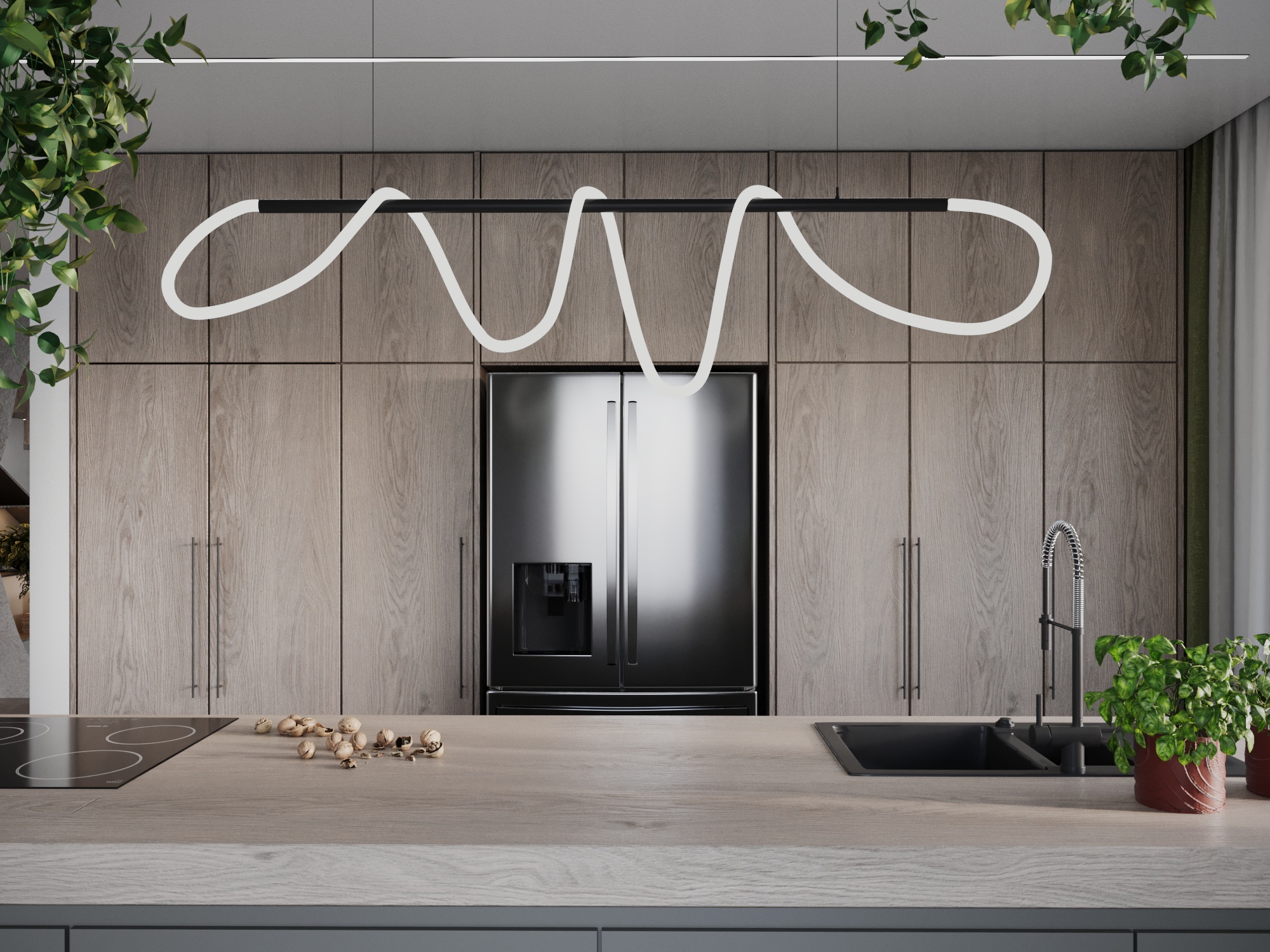
From Concept to Final Render: My Product Visualization Process
Have you ever scrolled through Instagram and thought, “Wow, this product looks amazing in that light” or “What a clever way to showcase it!”? I often catch myself wondering, “How did they come up with that idea?” — and then I remind myself: it’s all about the process. Very rarely is the first render perfect as it is. Today, I want to share how this process unfolds at Renderway and how I find ideas for my visualizations.
The Client’s Vision as a Starting Point
Sometimes, clients come to me with a clear vision: a fully thought-out idea of how their product should look to sell effectively. Many have established brand guidelines and want the final images to reflect a consistent atmosphere.
And it works both ways. Sometimes a client’s vision is perfect and makes the render process quick and straightforward. Other times, adjusting or even rethinking the concept leads to a stronger final result. The goal is always the same: think creatively and push the idea further.

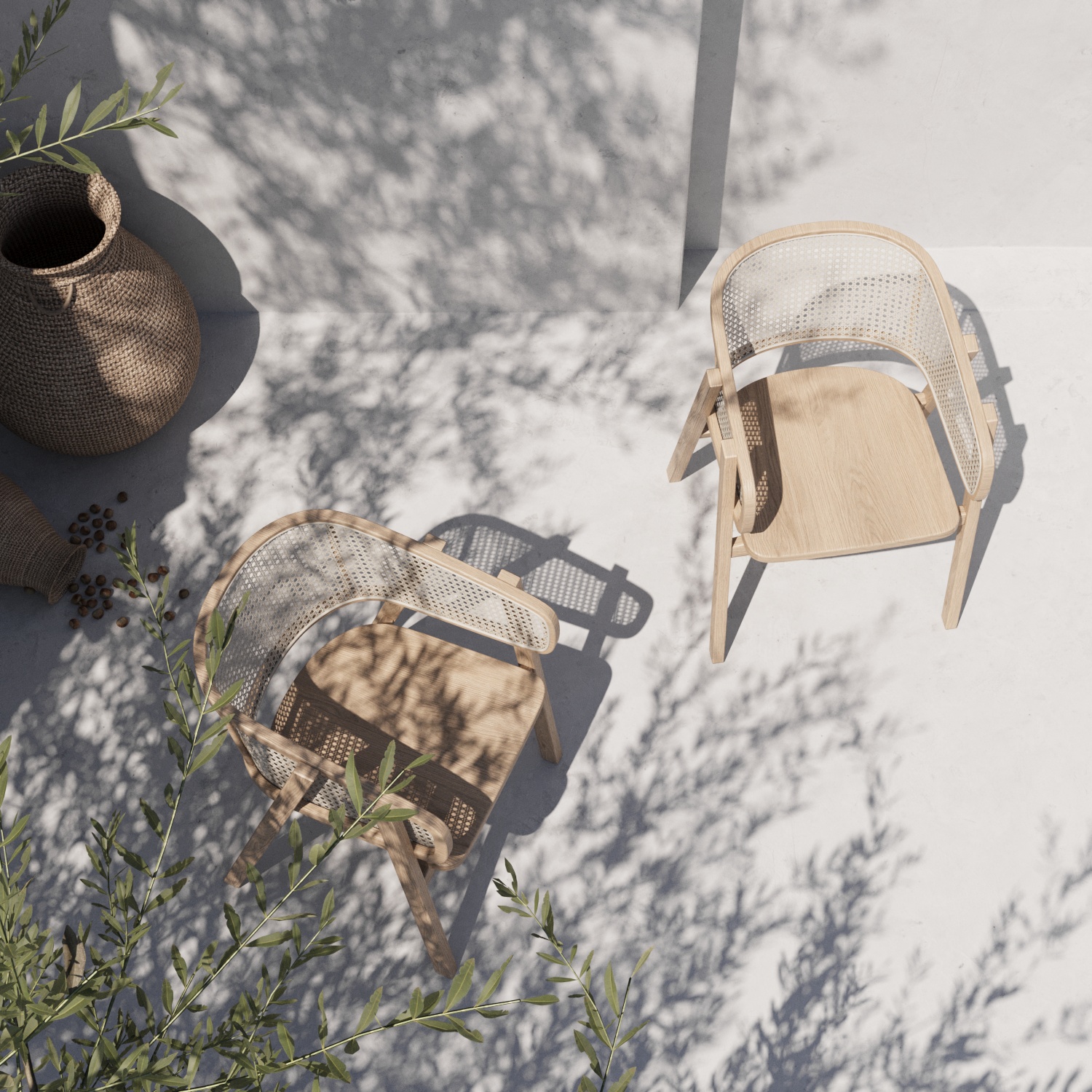
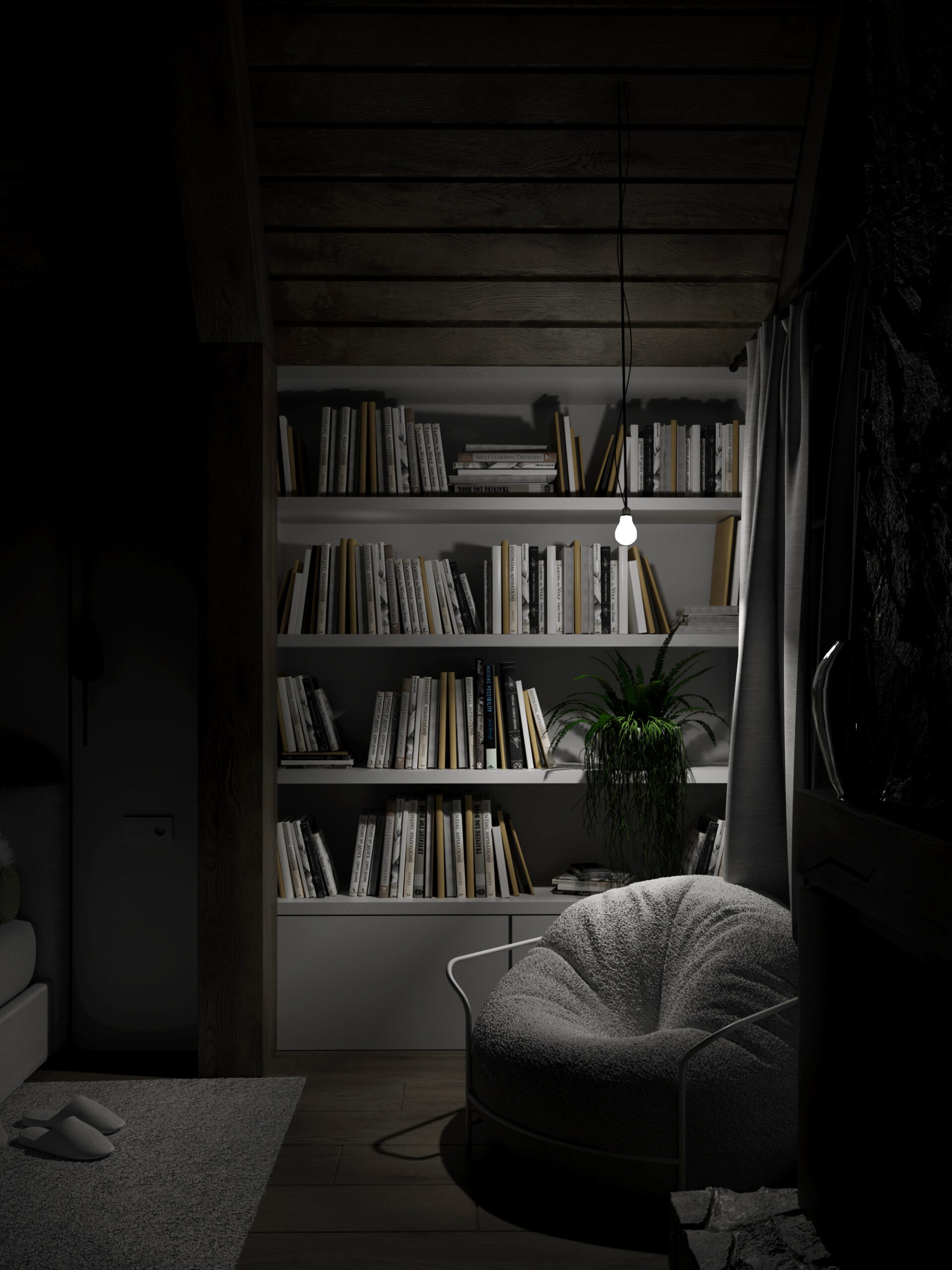
Concept Creation: Where Ideas Take Shape
After receiving the client brief, my favorite part begins: creating the concept. I start by imagining several ways to present the product. While these ideas begin in my head, they must be tested on paper or digitally because I am a visual thinker.
I typically create multiple versions. Once I see the composition on screen, new ideas often emerge. Having a few alternatives allows me to decide which directions to discard and which have the potential to evolve. This iterative approach ensures the concept is both strong and flexible. And fun!
Composition, Scale, and Context
Every product and client requires a unique approach. For obvious items, like a sofa, the placement and focus are straightforward. (Of course, it does not mean we cannot play with the composition here and make it interesting). But what if the product is small, a secondary piece within a larger interior? Planning becomes more intricate. I always try to approach every project as a challenge and I love to find myself being curious about what I do. If I get to learn something new, I enjoy it twice as much!
I analyze how the product interacts with its surroundings, how the interior shapes the perception of the item, and how lighting can highlight or downplay it. Even camera angles play a critical role. From the very beginning, these considerations guide the creation of a cohesive scene — and often, the original vision evolves as I refine every detail.
Sometimes, the first image forms spontaneously during discussions with the client. More often, I write down all the information, take some quiet time, and reflect. Take it as a puzzle to solve. I consider both what the client explicitly mentioned and what I know is essential for effective product visualization.
Iteration and Fresh Perspective
Once the initial concepts are ready, I take a step back. Sometimes just 20 minutes is enough; other times, I revisit the project the next day. Shifting focus allows me to approach the work with fresh eyes and identify areas I might have overlooked.
When you spend hours adjusting the same shots, it’s easy to get trapped in one line of thinking. Distance helps me see beyond the obvious and improves the overall quality of the 3d visualization.
Client Feedback and Direction Check
After developing a concept or a few variations, I present them to the client for feedback. This ensures we are aligned and moving in the right direction.
Depending on the project, additional steps may be necessary, such as agreeing on camera angles or the style of the final presentation. Even when concepts are shared early, without textures or lighting, this collaborative approach keeps the project on track and avoids surprises later.
Sometimes, sharing initial ideas with a client becomes the starting point for something more. My concepts can spark new thoughts on the client’s side, and together we begin to develop directions that go beyond the original vision — while still staying connected to its core assumptions.
This is often the moment when a decision is made to expand the scope of the visuals. Instead of a single approach, we may create additional shots that present the product in two different environments or contexts. Each setting carries a different mood and speaks to a different target group, allowing the same product to communicate multiple stories.
This collaborative phase is where the project gains depth. By combining strategic thinking with creative exchange, we can build a more versatile visual package — one that supports marketing goals across various platforms and audiences.
From Process to Final Visualization
This iterative, thoughtful process is what transforms an initial idea into a compelling final visualization. Each step — from understanding the client’s vision to testing concepts, analyzing composition, and refining based on feedback — contributes to a product that is not only visually striking but also effective in driving sales.
By respecting this process, we ensure that every render communicates the product’s value, fits the brand’s identity, and captures the attention of potential buyers. The result is a polished, purposeful visualization that helps our clients achieve their marketing goals.
If you’re planning a sales-oriented product or real estate project and want high-quality, professional visualization, feel free to reach out — I’d be happy to show you how I can bring your vision to life.